Drywall Recycling: A Practical Strategy for Managing Renovation Waste
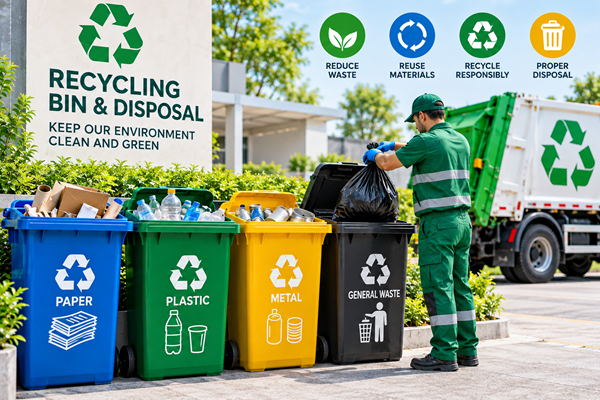
Drywall is a familiar material on construction and renovation sites, and it can quickly become a significant part of the debris stream. Offcuts from installation, damaged sheets, and material removed during renovations all require careful handling. Building drywall recycling into a waste-management plan can help keep suitable material separate from general garbage and support landfill-diversion efforts.
Successful recovery starts well before the debris leaves the project. Contractors, property managers, residents, and municipal planners can all benefit from treating drywall as a distinct waste stream.
Where Drywall Waste Comes From
New construction and renovation generate drywall waste differently.
During installation, workers may produce clean offcuts while fitting sheets around doors, windows, corners, and other features. Renovation and demolition projects can generate larger quantities of removed material.
Understanding the source helps determine how the material should be collected.
Plan Before Work Starts
Estimate how much drywall the project may generate. Then identify an appropriate collection area before installation or demolition begins.
Planning early is much easier than trying to separate drywall from a mixed debris pile later.
Keep Drywall Separate
Source separation is central to effective material recovery.
Place suitable drywall into a designated collection area rather than combining it immediately with wood, packaging, household garbage, and other construction debris.
This simple step can reduce contamination and make handling more organized.
Use Clear Signs
On busy job sites, everyone needs to understand the waste plan.
Clearly label the drywall collection area and explain the system during project setup. Workers should know what belongs there and what should remain outside the stream.
Protect Collected Material
Collection areas should be managed thoughtfully.
Avoid adding liquids, food waste, or unrelated garbage to separated drywall. Depending on the project and local requirements, different types of drywall material may also need different handling.
Checking acceptance criteria before collection begins can prevent problems later.
Reduce Drywall Waste at the Source
Recycling is valuable, but reducing waste before it exists is even more efficient.
Measure Carefully
Accurate measurements can reduce excessive cutting and unnecessary offcuts.
Plan Sheet Placement
Thoughtful installation layouts can help contractors use sheets more efficiently.
Store Materials Properly
Drywall damaged before installation becomes avoidable waste. Keep sheets protected from moisture and physical damage while they are stored.
Small improvements in handling can prevent usable building material from entering the waste stream.
Schedule Removal During Large Projects
Large renovation or construction sites may generate drywall faster than expected.
Allowing debris to accumulate can consume valuable working space and make sorting more difficult. Establish a schedule for moving collected material away from active work zones.
Identifying a nearby recycling and recovery location can help integrate transportation into the overall project plan.
Drywall and Municipal Waste Management
Municipal waste strategies increasingly depend on understanding individual material streams rather than viewing all discarded material as identical.
Construction and renovation debris can represent an important opportunity for separation. When drywall, wood, metal, cardboard, and other materials are kept apart where appropriate, communities can pursue more targeted recovery strategies.
Encourage Clear Participation
Successful programs need understandable instructions. Residents and contractors should know how materials should be prepared and where they can be taken.
Complicated or unclear rules can reduce participation and increase contamination.
Train Project Teams
Waste plans are only effective when everyone follows them.
At the start of a project, explain where drywall debris should go. Keep collection areas visible and periodically check for contamination.
For longer projects, brief reminders can maintain good habits as different workers or trades move through the site.
Measure and Improve
Organizations handling repeated renovation or construction work can learn from each project.
Track approximately how much drywall waste is generated and identify why it occurs. Excessive clean offcuts may suggest opportunities to improve measurement or installation planning.
Large quantities of contaminated material may indicate that collection areas need clearer signs or better placement.
These observations can improve future projects without requiring a complicated tracking system.
Conclusion
Drywall does not need to become an unmanaged part of a mixed construction debris pile. Early planning, careful material separation, contamination prevention, accurate measurement, proper storage, and responsible transportation can create a much more effective system.
For contractors, property managers, residents, and municipalities, treating drywall as a distinct waste stream supports better project organization and broader landfill-diversion goals. The most effective approach begins at the source: prevent unnecessary waste first, keep suitable material separate, and establish a clear pathway for responsible recovery.
About The Author