Excavation Company Ottawa Selection for Residential Site Improvements
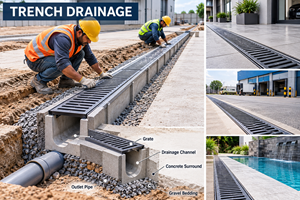
Residential excavation can involve everything from drainage corrections and utility work to grading, additions, landscaping preparation, and foundation projects. Because machinery operates close to homes and finished property features, residential sites require thoughtful planning.
When evaluating an excavation company ottawa homeowners should consider how the contractor approaches restricted access, site protection, soil management, drainage, and final restoration.
Residential Sites Have Unique Constraints
Unlike open development sites, established properties often contain numerous features that must remain untouched.
Decks, sheds, fences, gardens, paved areas, mature trees, neighboring properties, and existing utilities can limit where machinery operates.
Access Should Be Reviewed Early
The distance between buildings or the width of a gate can determine which machine can reach the excavation area.
An excavation company Ottawa homeowners consult should consider these constraints during planning instead of discovering them after equipment arrives.
Define What Must Stay Protected
Property owners should identify areas that are especially important to preserve.
Clear communication about lawns, landscaping, paved surfaces, and structures helps establish equipment travel routes and material storage areas.
A local residential excavation resource may also help when researching excavation options and site considerations.
Manage Soil Without Blocking the Property
Residential properties may have limited room for excavated soil. Material placement therefore needs careful planning.
Piles should not obstruct entrances, drainage paths, or machinery access.
Decide What Can Be Reused
Depending on its characteristics and project requirements, excavated soil may potentially be reused for backfilling or grading.
Understanding material needs before excavation can reduce unnecessary handling.
Consider Drainage Throughout the Project
Excavation can temporarily or permanently alter the way surface water moves.
Finished grades should help water move appropriately around the property rather than creating new low spots.
An excavation company Ottawa property owners choose should consider the relationship between digging, backfilling, and final elevations.
Coordinate With Other Project Stages
Residential excavation often supports a larger improvement. Contractors, installers, landscapers, or construction crews may need access after excavation.
Coordinating these stages can reduce the need to repeatedly disturb the same area.
Restoration Should Be Planned Before Digging
Waiting until excavation is complete to think about restoration can create avoidable problems.
Property owners should decide what finished condition they expect. Some areas may need rough grading for future work, while others may require preparation for immediate surface restoration.
Communication Makes a Difference
Residential projects take place close to everyday living spaces. Homeowners benefit from understanding what areas will be affected and how the work is expected to progress.
Clear project boundaries and realistic expectations can make excavation easier to manage.
Conclusion
Choosing an excavation company Ottawa homeowners can coordinate with successfully requires attention to the entire residential property. Equipment access, surrounding features, soil storage, drainage, project sequencing, and restoration all influence the excavation plan. By considering these factors before work begins, homeowners can reduce unnecessary disturbance and ensure the excavated area is properly prepared for the construction, utility, drainage, or landscaping work that follows.
About The Author