Custom Home Builders Toronto: Questions to Consider Before Designing Your New Home
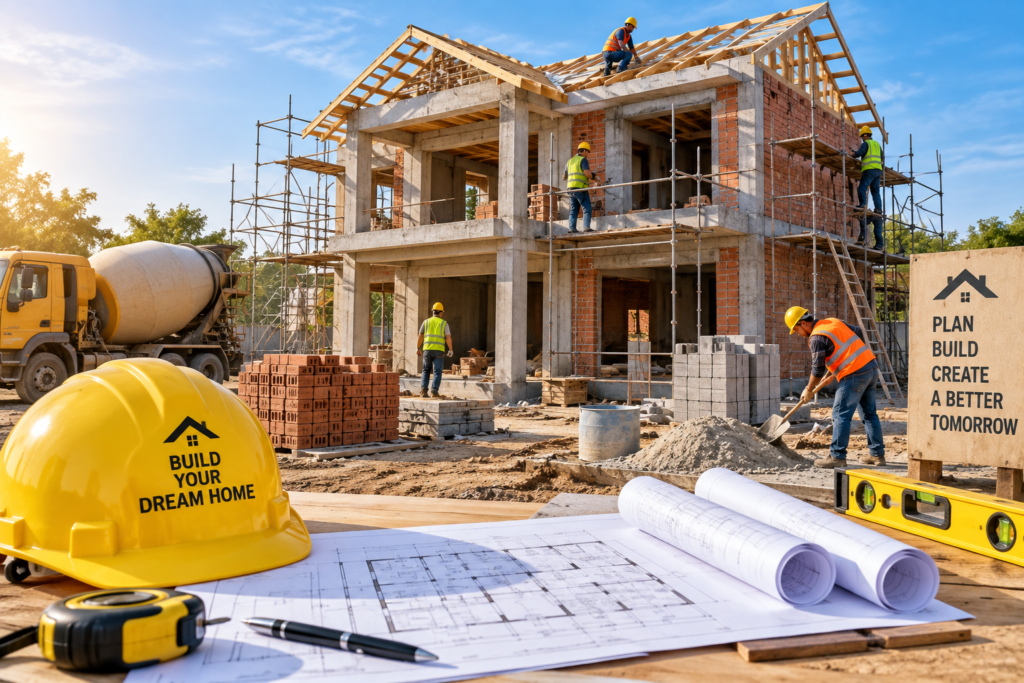
Designing a custom residence is exciting because almost every decision can be tailored to the homeowner. That freedom can also make the process complex. Before comparing custom home builders Toronto, homeowners can make planning easier by answering several important questions about their lifestyle, property, design preferences, and future needs.
The clearer these answers become, the easier it is to create a home that feels personal rather than generic.
How Do You Actually Use Your Home?
Start with everyday life rather than architectural trends.
Where does the family gather in the morning? Who cooks? Does anyone work from home? Are guests frequent? Are hobbies performed indoors?
Custom home builders Toronto projects can respond to these patterns by creating spaces specifically around them.
For example, a household that entertains frequently may value a strong connection between the kitchen, dining area, and outdoor space.
Which Spaces Matter Most?
Not every room needs equal emphasis.
Some homeowners prioritize the kitchen, while others value private bedroom suites, a home office, fitness space, or outdoor entertaining.
Identifying priorities early helps allocate space more intentionally.
Which Rooms Can Serve Multiple Purposes?
Flexible rooms can make a floor plan more adaptable.
An office might double as guest accommodation. A children’s homework area could later become a hobby room.
This flexibility can be especially valuable as household needs change.
How Much Storage Do You Really Need?
Storage requirements are often underestimated.
Consider clothing, seasonal items, sports equipment, kitchen appliances, cleaning supplies, luggage, children’s belongings, and outdoor gear.
Custom home builders Toronto planning can integrate storage into architecture through closets, cabinetry, mudrooms, pantries, and built-ins.
Homeowners exploring custom home building in Toronto can benefit from creating a room-by-room storage inventory during the early design phase.
How Important Is Natural Light?
Most homeowners want bright interiors, but achieving comfortable daylight requires more than adding large windows.
Orientation matters.
Morning light and afternoon light behave differently, while neighbouring structures can create shade or privacy concerns.
Window size, placement, ceiling height, and room depth all influence the result.
Custom home builders Toronto projects can address these factors while the home’s orientation is still being developed.
Do You Prefer Open or Defined Spaces?
Open-plan living remains popular, but it is not ideal for every household.
Some people prefer clear separation between cooking, working, entertaining, and relaxing.
Others want visual connection across the main floor.
A custom home can combine both approaches through partial walls, wide openings, sliding partitions, or changes in ceiling treatment.
What Should Guests See First?
The entrance establishes an immediate impression.
Consider the view from the front door. Should visitors see a staircase, artwork, garden, or living area?
The answer can influence the entire layout.
Custom home builders Toronto design planning can use sightlines intentionally so circulation feels clear and important architectural features receive appropriate emphasis.
What Level of Privacy Do You Need?
Privacy requirements vary between households.
Bedrooms should usually feel removed from active entertaining areas. Home offices may need acoustic separation. Outdoor spaces can also require screening from neighbouring properties.
Window positioning and landscaping can help create privacy without making rooms feel closed.
Which Materials Fit Your Lifestyle?
A material may look appealing but still be unsuitable for a particular household.
Families with active routines may prioritize durable flooring and easy-to-maintain surfaces.
Custom home builders Toronto projects should consider how materials perform in real conditions, including entrances, kitchens, bathrooms, and high-traffic areas.
Material selection should balance appearance, maintenance, texture, and longevity.
What Technology Should Be Planned Before Construction?
Networking, security, entertainment, climate control, charging, and lighting systems can all require infrastructure behind finished walls.
Planning these needs early allows cables, controls, and equipment to integrate more discreetly.
It also helps avoid unnecessary modifications after construction.
How Might Your Needs Change?
A custom home should ideally remain useful through different stages of life.
Children grow, work arrangements change, and mobility needs may evolve.
Flexible rooms, thoughtful circulation, accessible storage, and sensible bathroom layouts can make adaptation easier.
Conclusion
Building a custom home involves far more than selecting an architectural style. The most useful decisions begin with questions about routines, storage, privacy, natural light, technology, materials, and long-term plans.
Before approaching custom home builders Toronto projects, homeowners can benefit from defining these priorities clearly. A home designed around real habits and future possibilities has a better chance of remaining comfortable, functional, and personally meaningful for many years.
About The Author