Custom Pasties: How to Create a Look That Feels Uniquely Yours
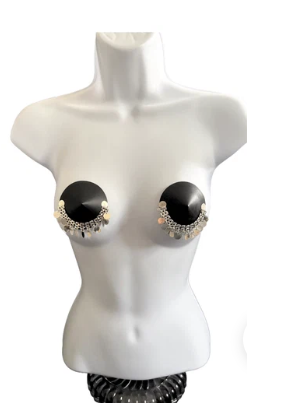
Small fashion details can have a surprisingly large impact on an outfit. Custom pasties offer a way to combine coverage with individuality, making them useful for creative styling, performances, celebrations, photography, and statement outfits.
Customization also means having more control over the finished appearance. Shape, size, texture, decoration, and overall theme can all influence how the pasties interact with the rest of a look. However, attractive styling should never come at the expense of comfort.
Start With the Occasion
Before thinking about decoration, consider where the pasties will be worn. The requirements for a stage performance can differ significantly from those of a festival outfit, photoshoot, private celebration, or fashion-forward evening ensemble.
A performance may call for designs that remain visually noticeable from a distance. Photography can accommodate intricate details that appear especially effective in close-up images.
For outfits involving extensive movement, practicality becomes particularly important.
Think About the Overall Mood
Custom pasties should feel connected to the wider aesthetic. Romantic looks might incorporate softer forms, while futuristic styling can benefit from geometric shapes and clean lines.
The goal is coordination rather than simply adding decoration.
Shape Can Transform the Appearance
Shape is one of the easiest ways to personalize pasties. Circular forms offer a classic appearance, while hearts, stars, flowers, diamonds, and abstract silhouettes can introduce more personality.
Custom pasties can also be designed around a particular costume concept. When the outline reflects another element of the outfit, the entire ensemble can appear more deliberate.
Size Matters Too
Customization should account for coverage requirements as well as visual style. A design that looks attractive but does not provide the desired coverage may not feel comfortable or practical.
Larger designs can create a stronger statement, while smaller options usually produce a more minimal look. Proportion matters, so consider both body shape and clothing placement.
Explore Different Textures
Texture changes the character of custom pasties considerably. Smooth surfaces can look modern and understated, while glittering or dimensional finishes naturally attract more attention.
Decorative elements can create dramatic results, but weight should remain manageable. Excessively heavy embellishment may reduce comfort, particularly during movement.
The best design often achieves visual impact without unnecessary bulk.
Prioritize Skin Comfort
Because pasties attach directly to delicate skin, comfort should influence every customization decision. Flexible construction and smooth edges can make the wearing experience much more pleasant.
People with sensitive skin should be particularly cautious about unfamiliar adhesives or materials. Testing a small area beforehand can help identify potential sensitivity.
Prepare Before Wearing
Clean, dry skin generally provides a better surface for application. Body oils, creams, and moisturizers can affect how securely adhesive surfaces stay in place.
Take time with placement instead of applying them quickly. Careful positioning can improve symmetry and reduce the need for repeated adjustments.
Removal deserves the same patience. Pulling adhesive away too quickly can make the experience unnecessarily uncomfortable.
Coordinate Rather Than Overdecorate
Customization does not automatically mean adding as many details as possible. In many outfits, restraint produces the most sophisticated effect.
If clothing already features sequins, metallic accents, dramatic textures, or elaborate accessories, simpler custom pasties may create visual balance. With a minimal outfit, however, detailed pasties can become the central decorative feature.
Think of them as one element within the complete composition.
Express Personality Through Details
Perhaps the greatest advantage of custom pasties is freedom. Instead of adapting an outfit around a fixed design, the accessory can be developed to support the wearer’s chosen aesthetic.
That makes customization particularly appealing for themed events, performers, artistic shoots, and anyone who enjoys unconventional fashion.
The finished design does not need to follow a trend. Personal preference can guide the colors, forms, textures, and decorative choices.
Conclusion
Custom pasties allow practical coverage to become an intentional part of personal styling. Successful customization starts with the occasion and then considers shape, size, texture, movement, skin comfort, and the surrounding outfit. A thoughtful design does not need excessive decoration to feel distinctive. When proportion and comfort work alongside creativity, personalized pasties can provide an expressive finishing touch that feels coordinated, wearable, and genuinely connected to the wearer’s individual aesthetic.
About The Author